Protecting the arch of the foot requires a multi-faceted approach, encompassing daily habits, targeted training, and equipment selection. Here are some systematic suggestions:
Daily habits and equipment selection
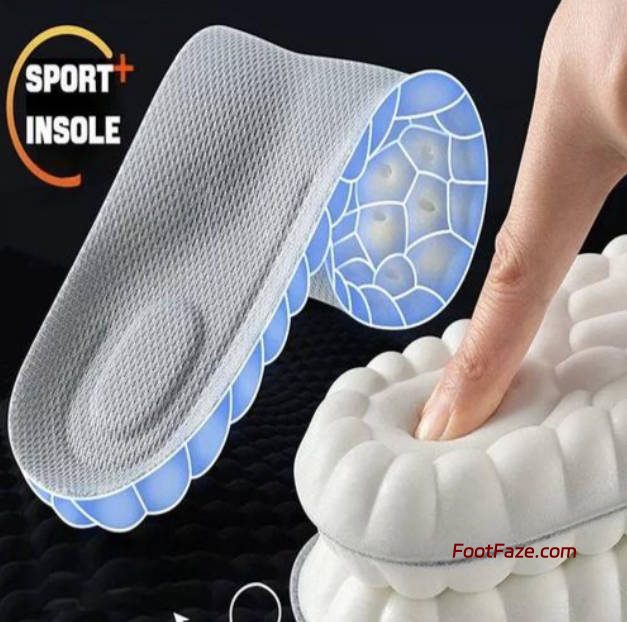
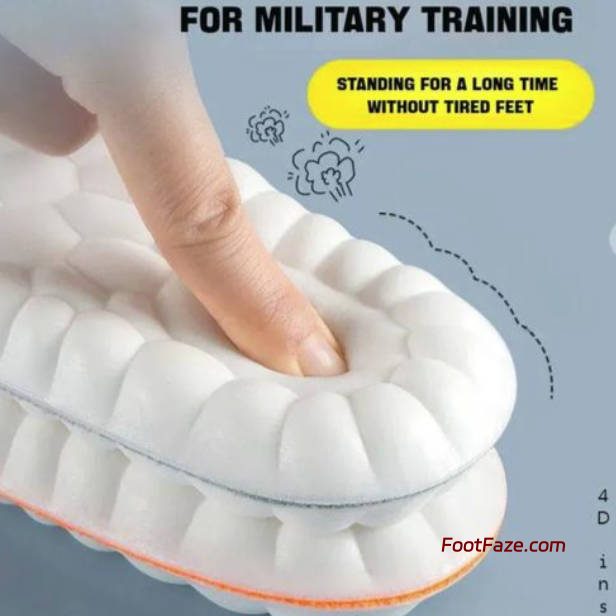
Choosing the right shoes: Prioritize shoes with elastic soles, loose toe boxes, and slight support for the arch. Avoid flat shoes, thin-soled shoes, high heels, and narrow-toe shoes. People with weak arch support can wear arch insoles that fit the curvature. These shoes are suitable for people who stand or walk for long periods. Make sure to replace them regularly to maintain cleanliness and support.
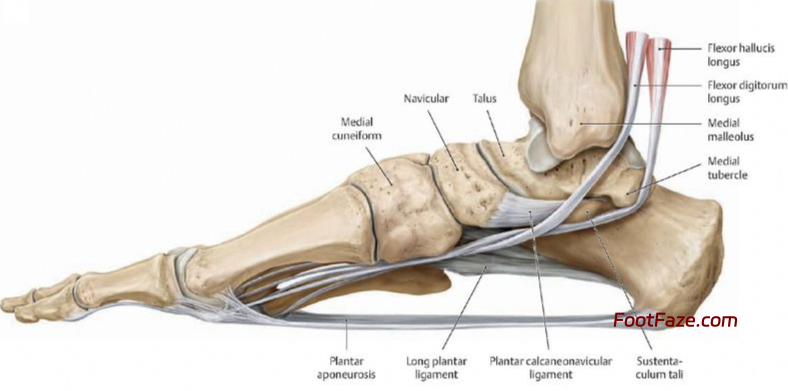
Avoid standing continuously for long periods: When work requires prolonged standing, take regular breaks to move your feet, promote blood circulation, and reduce the burden on the arch of your foot.
Weight control: Losing weight can reduce the burden on the feet and help alleviate pressure on the foot arch.
Barefoot training: Walk or stand barefoot on a clean and flat surface at home. When walking, feel the pressure of the ball of the foot on the ground and the force exerted by the arch. Do this for 5 minutes each morning and evening, avoiding surfaces that are too hard or too slippery.
Arch strengthening training exercises
Toe-gripping towel: When sitting, grip a towel with your toes and pull it to the other end. Repeat 3-5 sets. Alternatively, you can grip a stress ball. This exercise strengthens the small muscles of the foot and enhances the stability of the foot arch. It can be done in fragmented time.
Foot fascia stretching: You can do it in a seated or standing position. Place the sole of your foot flat on a fascia ball (if you don’t have a fascia ball, you can use a tennis ball) and press down with your own weight. Gently roll the fascia ball under your foot until you feel a slight pain. Hold for about 30 seconds and then switch to the other foot.
Tiptoe practice: Place a yoga block between your feet, hold the block with your toes, and lift your heels up. Inhale to lift and exhale to lower. Do this dynamically for 10 times in 3 sets, finding the strength to draw your ankles inward.
Short foot exercise: Sit or stand, try to contract the big toe towards the heel (without bending the toes), feel the arch of the foot being “pulled up”, hold for 2 seconds, relax, and repeat 50-60 times.
Single-leg balance training: Increasing the difficulty when standing on one leg, such as closing eyes, standing on an unstable surface, or performing diagonal movements, can activate the intrinsic muscle groups of the foot.
Precautions for different types of foot arches
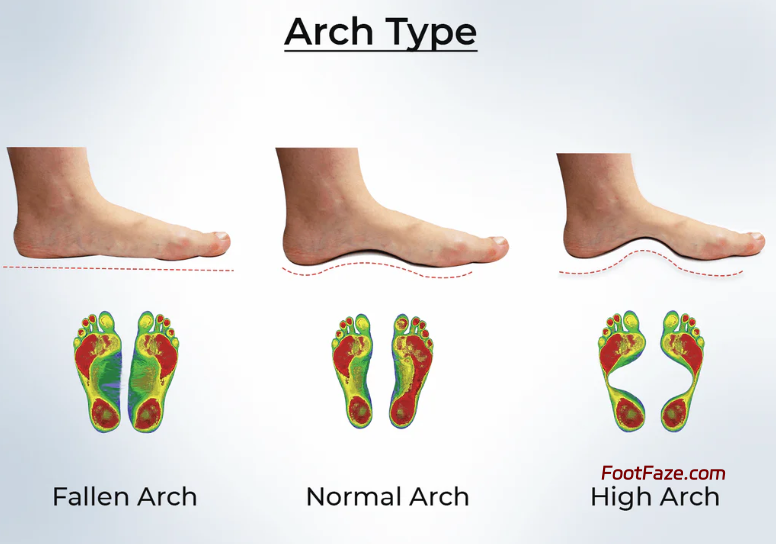
Flatfoot: Focus on strengthening support and reducing compensatory movements. You can practice the “towel grasping” exercise to minimize the risk of arch collapse and compensatory movements of the lower leg. If you experience pain, it is recommended to use orthopedic insoles under the guidance of a professional doctor.
High arch: Focus on relaxation and stretching to distribute pressure. Press the bottom of the foot with a tennis ball for 3-5 minutes every day, focusing on pressing the arch and heel, while stretching the muscles on the back of the calf.
When should one seek medical attention
It is recommended to consult a professional doctor or exercise therapist in the following situations:
Plantar pain persists for more than three months, especially with unilateral onset
The occurrence of a chain reaction such as an inward-toe gait, knee joint pain, and hip or waist pain
The child’s foot arch disappears when standing but reappears when sitting (functional flatfoot) and is accompanied by discomfort symptoms
Before starting any training program, if you are unsure about your foot arch type or whether you have any contraindications.